Turbine Borescope Inspection Guide: Step-by-Step for Gas and Steam Turbines
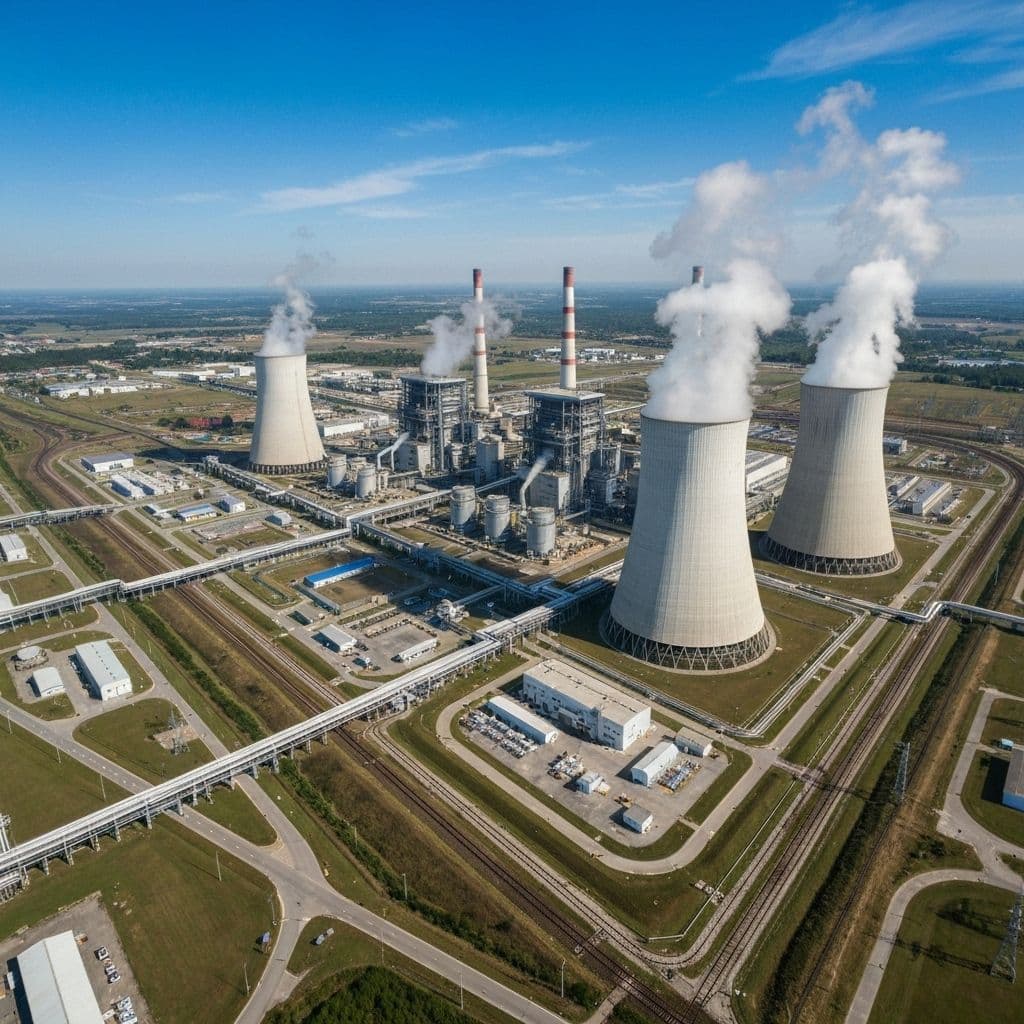
Gas and steam turbines are among the most critical assets in power generation, petrochemical, and aviation facilities. Unplanned turbine outages cost Indian plants millions of rupees in lost production. Borescope inspection is the industry-standard technique for assessing internal turbine condition without disassembly — delivering actionable insight during planned outages while avoiding the cost and time of a full strip-down. This guide walks through the end-to-end process of conducting a turbine borescope inspection, from probe selection to reporting.
Why Borescope Inspection Is Critical for Turbines
Modern turbines operate under extreme temperatures and pressures that accelerate blade erosion, creep, oxidation, and foreign object damage (FOD). Visual inspection through a borescope allows maintenance engineers to detect blade tip damage, combustion liner cracking, vane erosion, and deposit buildup before these issues lead to catastrophic failure. According to global turbine OEMs, scheduled borescope inspections can reduce unplanned downtime by up to 60%. For Indian power plants operating under tight grid demand cycles, this translates directly to cost savings and regulatory compliance under CEA maintenance standards.
Selecting the Right Borescope Probe for Turbine Work
Turbine inspection requires an articulating or semi-rigid borescope with a probe diameter typically between 6mm and 10mm. Probe length is determined by the access port depth — gas turbines may require cables of 2 to 4 metres to reach inner-stage blades. For inspection of combustion chambers and hot-section components, ensure the borescope has a temperature-rated insertion tube and LED illumination capable of delivering sufficient light in large cavities. The AE-SGP Industrial Borescope is widely used for gas turbine access due to its 6mm articulating probe and 360° steering capability. For longer reaches into steam turbine internals, the AE-DDX Long Borescope offers extended cable options with full HD imaging. Explore the complete industrial borescope range to match probe specs to your turbine access geometry.
Key Inspection Points in Gas and Steam Turbines
For gas turbines, prioritise inspection of the compressor blades (first and last stages), combustion liner, fuel nozzles, turbine blades (especially first-stage), and shroud segments. Look for tip rubs, erosion patterns, thermal fatigue cracks, and carbon deposits on nozzles. For steam turbines, focus on the inlet nozzles, blade leading and trailing edges, diaphragm seals, and moisture separator zones. Wet steam erosion causes characteristic pitting and surface loss that is clearly visible under proper illumination. Document every finding with a photograph or video clip annotated with turbine section, stage number, and port location — this creates the baseline needed to track degradation rate at the next inspection interval.
Step-by-Step Turbine Borescope Inspection Workflow
1. Obtain a cold, de-energised permit-to-work before accessing any turbine borescope port. Confirm gas purge is complete for gas turbines. 2. Select the access ports recommended by the OEM inspection manual — most turbines have designated ports per stage. 3. Insert the probe slowly, using articulation to navigate around internal bends. 4. Begin imaging in a systematic pattern: leading edge, pressure face, suction face, tip, and trailing edge for each blade passage. 5. Capture photos or video clips at each significant finding — use built-in measurement functions where available. 6. Withdraw the probe carefully and clean the lens before moving to the next port. 7. Label all image files by turbine ID, port number, and date. A structured port-to-image mapping prevents confusion during report generation.
Documenting Findings and Maintenance Decisions
Turbine borescope reports should categorise findings using a severity scale: S1 (acceptable — monitor at next interval), S2 (monitor with increased frequency), S3 (schedule maintenance at next planned outage), and S4 (immediate action required). Include annotated images for all S2–S4 findings. Compare against the previous inspection report to assess progression rate. For turbines approaching end of life, consider using the AE-DSV-PRO 3D Measurement Borescope, which provides quantitative measurement of blade wear — reducing reliance on subjective visual assessment alone.
Scheduling and Inspection Frequency Best Practices
For gas turbines, OEM recommendations typically call for borescope inspection every 4,000 to 8,000 equivalent operating hours (EOH) or at each scheduled maintenance interval. Steam turbines in baseload operation should be inspected annually or at each planned outage. Plants operating on frequent start-stop cycles or in high-dust, high-humidity environments should increase inspection frequency. Building a digital inspection register that logs each port entry, inspector name, probe serial number, and finding severity ensures full traceability for audits and insurance assessments — a requirement increasingly enforced under Indian industrial safety regulations.
Borescope inspection is the most cost-effective tool available for turbine condition assessment. By selecting the right probe, following a structured inspection protocol, and maintaining thorough documentation, maintenance teams can maximise turbine availability and prevent costly unplanned failures. Aerica Engineering supplies a full range of industrial borescopes to power generation and petrochemical plants across India. View our borescope range or contact us for a technical consultation.